









1,864 curves. 600 kilometers. One unforgettable ride from Mae Hong Son Loop
If you ask any serious rider in Southeast Asia about their “bucket list” routes, the Mae Hong Son Loop is invariably at the top. For years, this route has been the rite of passage for backpackers on rented 125cc scooters. But let’s be honest: this beast was made for big engines.
Whether you are on a nimble Honda CB500X, a torque-heavy Africa Twin, or a luxurious BMW R1250GS, the Northern Thai mountains offer a playground of technical tarmac, elevation changes, and breathtaking scenery.
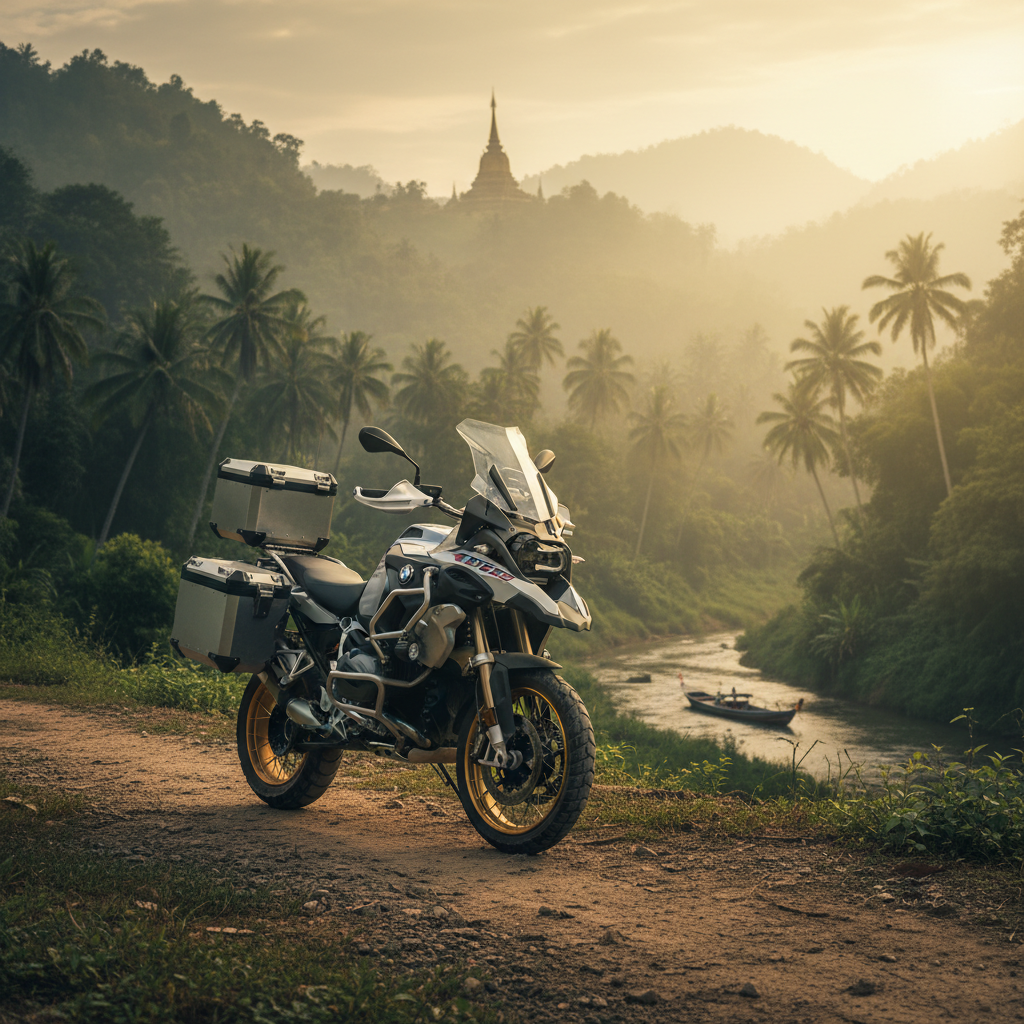
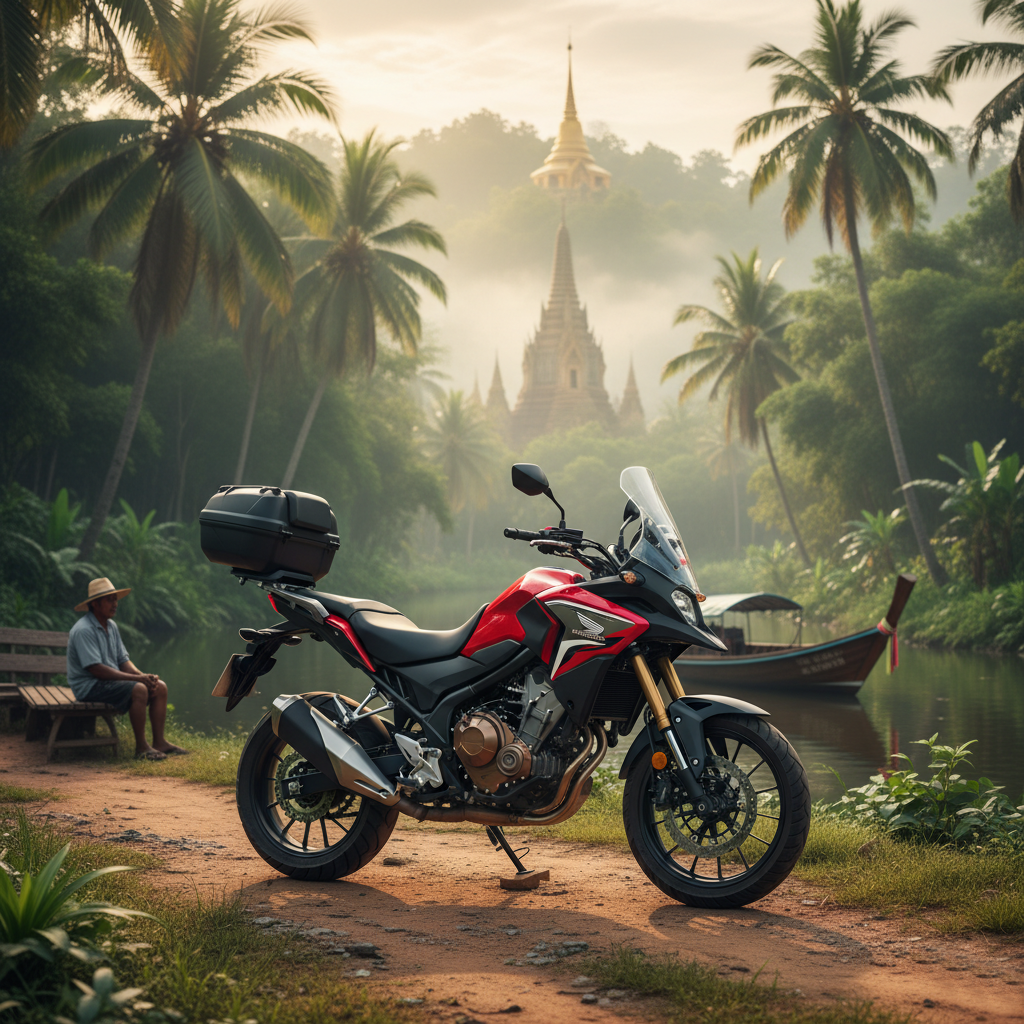
Here is your definitive guide to conquering the Mae Hong Son Loop on a big bike.
The Machine vs. The Road to Mae Hong Son Loop
Before we talk route, let’s talk dynamics. The Loop is famous for its tightness.
- The Challenge: Many hairpins here are first-gear, slipping-the-clutch tight. On a heavy adventure bike or cruiser, low-speed maneuvers are critical.
- The Advantage: Where the scooters struggle, your big bike will thrive. The steep inclines out of Pai and towards Ban Rak Thai require torque that small engines simply don’t have. Furthermore, the suspension on a big tourer will eat up the occasional pothole or road repair that would send a scooter flying.
Ride Recommendation: An Adventure Tourer (ADV) or a Scrambler is the king of this loop. Sport bikes are fun but can be physically exhausting due to the constant braking and aggressive posture over several days.
The Itinerary: A 4-Day Attack Plan for Mae Hong Son Loop
While you can crush the loop in two days, you shouldn’t. To enjoy the lean angles and the culture, we recommend a 4-day counter-clockwise route.
Day 1: Chiang Mai to Pai (130 km)
The Warm-Up.
Leaving the traffic of Chiang Mai, you head north on Route 1095. This is the most famous section, containing 762 of the total curves.
- Ride Conditions: The tarmac is generally good, but traffic can be heavy with minivans and novice riders.
- The Ride: It is technical, tight, and requires intense concentration. Keep your revs in the sweet spot and watch for gravel washed onto corners by rain.
- Stop: Pai Canyon for sunset.
- Stay: Pai is a backpacker haven, but offers boutique resorts with safe parking for high-end bikes.
Day 2: Pai to Mae Hong Son (110 km)
The Climb.
This is where the big bikes shine. The road opens up slightly, and the elevation climbs drastically. You’ll be shifting through the gears more often, enjoying the torque on the uphills.
- Must-Do Detour: Ban Rak Thai. This Chinese tea village sits on the Myanmar border. The ride up is steep and thrilling. It is the photo op for your bike.
- The Destination: Mae Hong Son town is quieter and more authentic than Pai. Visit Wat Chong Kham at night to see the temples reflected in the lake.
Day 3: Mae Hong Son to Mae Sariang (165 km)
The Racer’s Section.
This is the highlight for big bike riders. Route 108 South offers wider lanes, sweeping corners, and significantly less traffic than the northern leg.
- Ride Conditions: You can finally open the throttle. The curves transform from tight hairpins to long, flowing sweepers that allow you to hold a line and lean deep. This is pure riding nirvana.
- Stop: Khun Yuam for coffee and the WWII Japanese War Museum.
- Stay: Mae Sariang. A sleepy riverside town that feels like Thailand 20 years ago.
Day 4: Mae Sariang to Chiang Mai (180 km)
The Victory Lap.
The run back to Chiang Mai via the southern arc completes the circle.
- The Option: If you and your machine still have stamina, detour to Doi Inthanon—the highest peak in Thailand. The air gets thin and cold (bring a liner!), but riding above the clouds is a spiritual experience.
- The Finish Line: Rolling back into Chiang Mai, head straight to the Old City moat to wash off the road dust and grab a cold celebratory beer.
Rider Intelligence: What You Need to Know
1. The Season Matters
- Best Time: November to February. Cool air, clear skies, dry tarmac.
- The Heat: March to April is “Burning Season.” Smoke from agricultural fires ruins the view and the air quality. Avoid.
- The Rain: August to September. The roads become slick, and landslides are possible. Only for hardcore ADV riders with the right tires (Michelin Anakee or Pirelli Scorpion Rally STR recommended).
2. Fuel Strategy
On a big bike, range anxiety is real. While 125cc scooters sip fuel, your liter-bike guzzles it on mountain climbs.
- Pro Tip: Never pass a PTT station if you are below half a tank. The stretch between Khun Yuam and Mae Sariang can be sparse. PTT stations also offer 7-Elevens and clean toilets—the holy grail of Thai touring.
3. Police and Paperwork
Northern Thailand police checkpoints are frequent, especially leaving Chiang Mai.
- Required: A valid motorcycle license from your home country AND an International Driving Permit (IDP) stamped for motorcycles. Without an IDP, expect a fine. With it, you get a salute and a wave through.
The Verdict
The Mae Hong Son Loop isn’t just a road; it’s a relationship between you, your machine, and the mountains. It tests your clutch control, your cornering confidence, and your endurance.
Pack your panniers, check your tire pressure, and head North. The dragon is waiting.